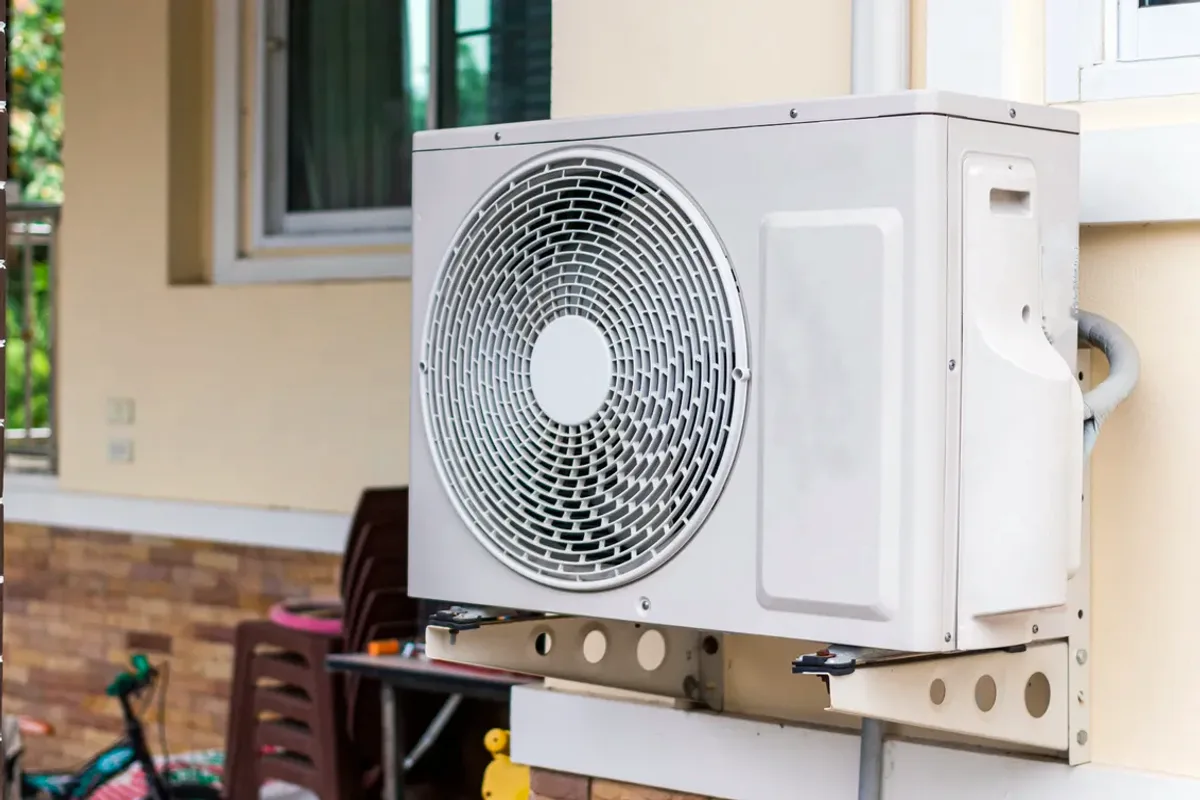
Request heat pump repair & installation for a property in Markham. Include the equipment, the problem or planned work, and your location so the request can be reviewed.
What information helps distinguish a heat-pump repair from a replacement assessment?
A heat pump that short-cycles, fails to heat or cool, trips a breaker, or makes an unusual noise needs diagnosis based on its operating sequence and equipment design. Electrical faults, a refrigerant-system problem, airflow restrictions, and control issues are distinct possibilities. For replacement installation, the home’s heating and cooling requirements, existing distribution, and compatible controls shape the equipment choice. Repair, planned maintenance, and replacement are separate decisions, guided by inspection evidence and manufacturer requirements.
Record the model, operating mode, symptoms, any displayed fault code, and whether the issue occurs during heating, cooling, or both. An inspection can compare electrical and control operation, airflow, and refrigerant-system evidence. For installation planning, the existing distribution and control compatibility also matter. A minor component fault may support repair, while major or recurring faults warrant comparing the full repair scope with replacement requirements.
Short cycling, breaker trips, and heat-pump fault diagnosis
Repair-versus-replacement assessment and installation planning
Airflow, controls, and manufacturer-guided maintenance
Assessment and Scope
Questions for the Proposed Work
01
Diagnose cycling and electrical symptoms
Short cycling and breaker trips are symptoms, not diagnoses. The cause may involve controls, an electrical component, airflow, or another fault, and the inspection must establish what is interrupting operation. The heat pump’s model and fault history help interpret the sequence. Internal electrical testing and work on refrigerant or safety controls require qualified service; occupants should not open the unit, bypass safeguards, or repeatedly reset it.
02
Compare repair and replacement scope
A repair decision depends on the confirmed fault and the condition of the rest of the system, not age by itself. A limited component repair differs from major compressor or sealed-system work, which may prompt a comparison with replacement. Installation assessment should account for the home’s heating and cooling needs, existing air distribution, and control compatibility. These details help avoid selecting equipment that does not fit the property’s system.
03
Keep maintenance distinct from repair
Maintenance checks are not a substitute for diagnosing a heat pump that is already malfunctioning. The inspection may review airflow, controls, and components identified in the manufacturer’s instructions, with any cleaning or adjustment based on findings. If a fault is found, its repair should be described separately from maintenance tasks. This distinction makes clear whether the work is routine inspection, correction of a problem, or preparation for replacement.
Compare the next step
Include the finished lower level in the room-by-room design instead of treating its area as an automatic addition to nominal capacity. Ask how the proposed distribution reaches its occupied spaces and how sensors or zones respond. Document drainage, electrical, and service-access implications within the completed basement layout.
Cold-climate capability does not prove that one model covers every home heating load. Ask how the selected equipment and supplementary heat meet the actual design requirements.